
Okay, hear me out—mobile crypto wallets are the bridge between everyday people and the weird, powerful world of Web3. Wow. At first glance a wallet is just an app on your phone, right? But actually it’s far more: custody, UX, security, and connectivity all crammed into a tiny interface that you tap while waiting for your latte. My instinct said “this is simple,” though as I dug in I kept finding tiny failure points that pile up into real risk.
Here’s the thing. A mobile wallet that does one thing well and another poorly ends up causing grief. Seriously. Seed phrases, for example—people treat them like a checkbox. “I wrote it down.” Great. But where? Some leave it on Notes, others take a photo, many store it with cloud backups. Those are design choices that matter. On one hand a cloud backup is convenient; on the other hand it’s an attack surface you didn’t sign up for.
Let me be blunt: the seed phrase is the single-lane on-ramp to your assets. Lose it, and you lose control. Share it, and you lose everything. That’s black-and-white. But the real world is messy—people want convenience, and developers want adoption. Balancing those is the art.
Mobile wallets: what they must get right
Mobile wallets need three core muscles: secure key management, clean UX, and reliable network connectivity. My first impression was “more features = better” but then I realized features without security equals fast trouble. Hmm…
Secure key management means protecting private keys and seed phrases using hardware-backed storage where possible (Secure Enclave on iOS, Trusted Execution Environment on Android), strong encryption, and clear recovery flows. But, and here’s a twist, forcing complicated flows on users can backfire—people will write the seed phrase down on a sticky note or take a screenshot because it’s easier. So the wallet must reduce risky user behavior by offering safer, user-friendly options: offline QR backups, encrypted cloud vault options with clear trade-offs, or hardware wallet pairing.
On the UX side, simplicity matters. If the “send” flow is confusing or the gas settings are buried three menus deep, users will make mistakes. One wrong screen, and funds go to the wrong address. I’m biased, but well-designed defaults save people a lot of pain.
Connectivity and multi-chain support are also critical. A wallet that promises “multichain” but requires manual chain switches or keeps failing to show token balances? That’s garbage. Users expect seamless experiences across Ethereum, BSC, Solana-like ecosystems, and more. Wallets need robust node/fallback infrastructure and smart dApp connectors.
Seed phrases: practical rules you can live with
Okay, practical checklist time. Not exhaustive, but useful:
- Write the seed phrase on paper or use a metal backup if you want fire/water resistance.
- Never store the phrase in cloud storage or photos.
- Test the recovery process with a small amount first.
- Consider splitting your seed (Shamir backup) or using a hardware wallet for large holdings.
Initially I thought the “write it down” advice was overblown, but after watching a friend lose access because of a phone upgrade gone wrong, I’m actually a little paranoid about it. On the other hand, overcomplicating backups yields the opposite reaction—people bail. So choose solutions that fit your threat model and comfort level.
dApp connectors: the glue of Web3, but also the weak link
Connectors (WalletConnect, injected providers, proprietary SDKs) let dApps interact with wallets without exposing private keys. That’s huge. But it also introduces UX and security vectors: phishing prompts, malformed transaction requests, and permission dialogs that few read. Really, most people tap “approve” without parsing gas, contract calls, or permissions.
Here’s a common failure pattern: a dApp asks for broad token approval (unlimited allowance) and a user accepts because the UX doesn’t explain consequences. Later, a compromised dApp or malicious contract drains tokens. On one hand it’s user education; on the other, wallet-level mitigations help—per-contract allowances, clearer prompts, tamper-evident UIs, and transaction previews that show human-readable intent.
Trust but verify. That’s my motto when testing connectors. I like wallets that explicitly label contract calls—”This contract will transfer X tokens” vs. “Unknown function call.” It’s simple, but it reduces accidents. Also: rate-limit how many dApp sessions can be active, and make revocation easy.
How I evaluate a mobile wallet (real checklist)
Below are things I actually check before trusting a wallet for anything more than a test amount. Not fancy—just practical.
- Key storage mechanism: hardware-backed? secure element?
- Seed backup options: paper, metal, encrypted cloud? clear trade-offs explained?
- Permission prompts: granular, readable, and reversible?
- dApp connector behavior: descriptive signing dialogs, replay protection?
- Multichain support: does token sync work? are RPCs reliable?
- Recovery tests: can I truly restore on a fresh device?
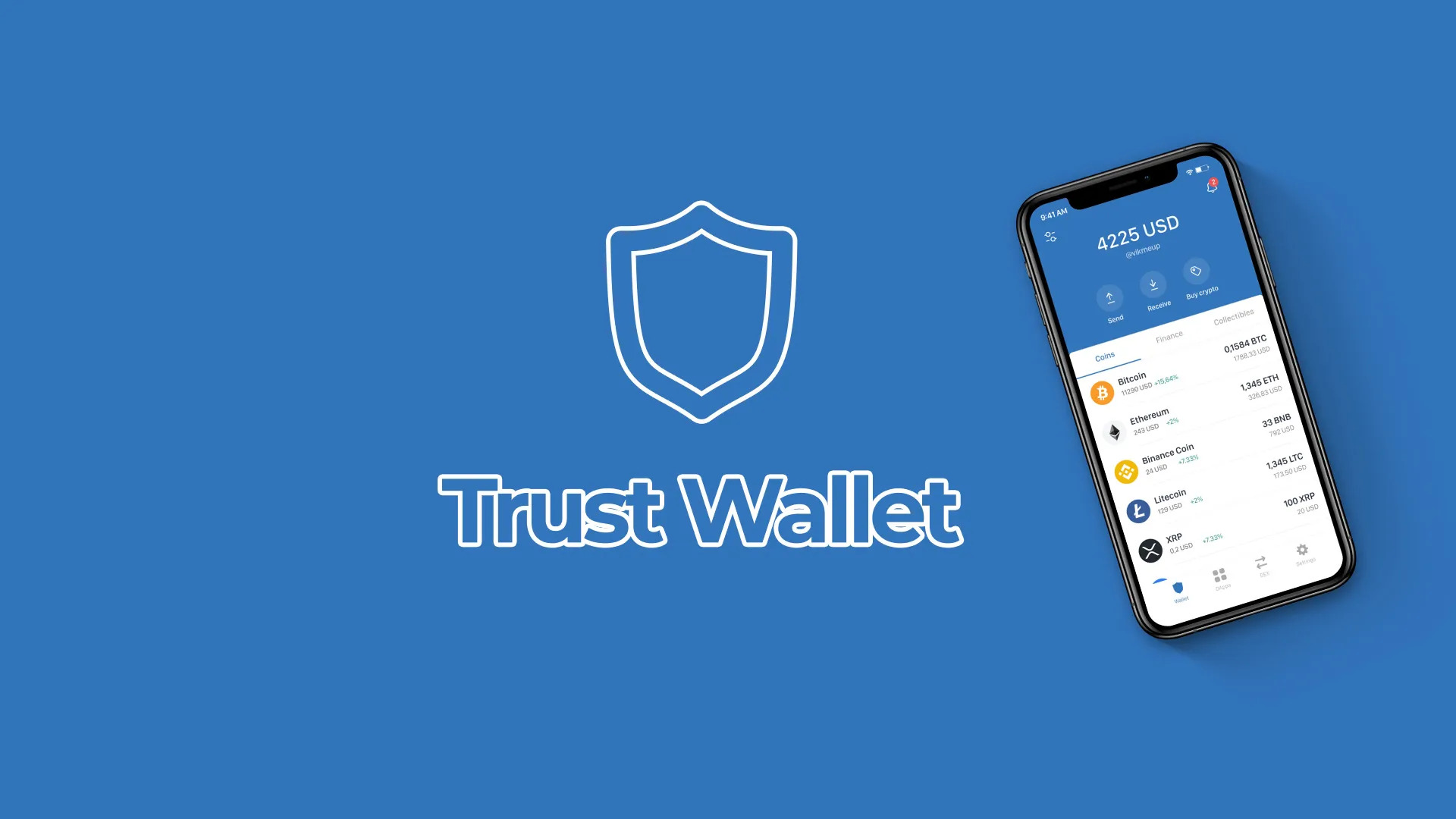
Check this out—when I was evaluating wallets recently I kept coming back to one that got the basics right while adding useful conveniences like account labeling, transaction memo previews, and optional biometric auth. For folks looking to try a pragmatic, multi-chain mobile client with sensible UX, consider truts wallet as an option that balances usability and security.
Common mistakes and how to avoid them
People often make the same mistakes:
- Backing up the phrase insecurely (cloud/photo). Solution: cold backups.
- Granting unlimited token approvals. Solution: use per-contract allowances or wallets that auto-suggest limits.
- Using the same phrase across multiple wallets in different formats. Solution: standardize and test recovery.
- Trusting every dApp just because the UI looks nice. Solution: check audits, community feedback, and transaction details.
I’m not 100% sure any single strategy is perfect—there’s always trade-offs. But layering defenses (secure storage, hardware where possible, smart wallet UX) dramatically lowers risk.
FAQ
Q: Can I store my seed phrase in a password manager?
A: Technically yes, but it depends on your threat model. Password managers can be a single point of failure if your master password or recovery method is compromised. For moderate convenience with better security, use encrypted backups with strong, unique master passwords and two-factor protections.
Q: Are dApp connectors safe?
A: They are as safe as the UI and permission model allow. Connectors themselves don’t expose private keys, but malicious dApps can trick users into signing dangerous transactions. Use wallets that provide explicit transaction explanations and limit approvals.
Q: How should I test wallet recovery?
A: Create a new wallet, transfer a small amount, export the seed, then restore on a different device using that seed. Make sure balances and accounts match and that addresses are consistent before moving larger sums.