
Okay, so check this out—I’ve been living with a Ledger device for years. Wow, this surprised me. At first it was curiosity. Then it became habit, and now it’s almost ritual. My instinct said: trust the device, but verify everything else.
Here’s what bugs me about crypto UX. Really? The onboarding often assumes you already know the lingo. Ledger tries to fix that by bundling apps and a single interface, but it still feels like learning to drive stick. On one hand Ledger devices reduce attack surface; on the other hand users still make mistakes that blow up wallets. Initially I thought a hardware wallet was a “set it and forget it” thing, but then realized it’s more like safekeeping a passport—simple steps, huge consequences if you slack.
Let’s be blunt. Wow, not kidding. Ledger supports hundreds of coins natively and thousands via third-party integrations. That breadth matters if you collect tokens across chains, trade obscure altcoins, or dabble in NFTs. There are tradeoffs though. More supported chains means a more complex app ecosystem, and the more apps you install, the more management you must do—though actually the device signs transactions in isolation, which is the key safety feature.
On the NFT side the landscape is still messy. Seriously? Many people assume “NFTs are just images” and treat them like free collectibles, but they are blockchain tokens with ownership rules and varying metadata standards. Ledger can store private keys for NFTs, and you can view or manage some collections through connected apps, yet user experience varies wildly between blockchains and marketplaces. I’ll be honest: using Ledger with NFTs sometimes feels like assembling IKEA furniture without the right allen wrench—functional, but fiddly.
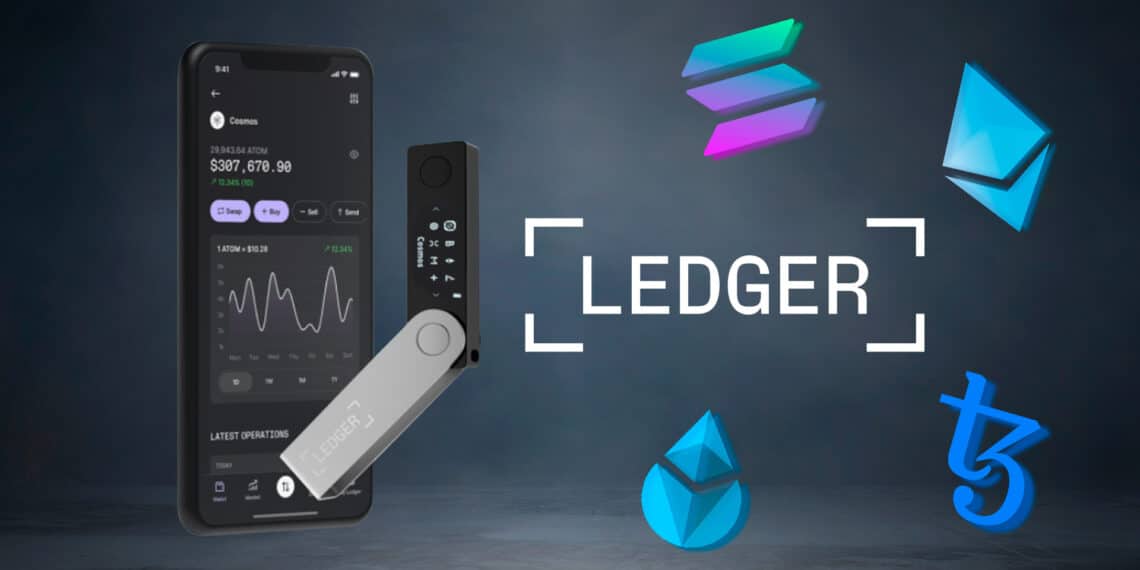
How Ledger handles multi-currency and NFTs (the practical bit)
Okay, quick breakdown. Here’s the thing. Ledger separates private key storage from your online device. That’s the whole point. Your keys never leave the secure element. Transactions are created on your computer or phone, then signed on the Ledger device. This model works for Bitcoin, Ethereum, Solana, and many others. For chains with complex transaction types (like Ethereum NFTs or Solana programs), the device signs the underlying payload and defers UI detail to the host app.
So what does that mean day-to-day? Wow, not kidding here. If you’re juggling BTC, ETH, and some niche token, Ledger lets you keep a single root seed and derive multiple addresses securely. That seed manages private keys for every supported chain. But wallet interfaces differ. Some chains require Ledger’s native app; others work via bridges or third-party wallets. This is where Ledger Live (and compatible wallets) become central for managing the experience—if you want the official route, check here for one implementation I use.
My practice is simple. Really simple. Keep a backup, update firmware, and check addresses on the device screen. My handshake with the Ledger is tactile; I verify on-device details instead of trusting a web UI. Little things add up—using a hardware wallet reduces risk from malware, browser extensions, and phishing. But the gap between “reduced risk” and “zero risk” is wide. I’m biased, but complacency is the enemy.
There are UX spots that feel unfinished. Hmm… sometimes the device’s screen can’t show long token names or contract addresses, so you learn to cross-check on the host app. On one hand that makes things slower. On the other hand it forces you to be deliberate. Actually, wait—let me rephrase that: the limitation can be annoying, but it nudges better security habits, which I appreciate even if it bugs me.
For NFT collectors there are a few practical tips. Wow, this matters. Always confirm the recipient address on-device before signing transfers. Use reputable marketplace integrations when possible. Consider storing high-value NFTs across cold storage or segregated wallets. And don’t forget token metadata permanence—an NFT can point to off-chain data that might disappear, so ownership is only part of the story.
Wallet compatibility matters a lot. Really. Ledger works well with many third-party wallets like MetaMask (via Ledger bridge), Phantom, and others that support its signing protocol. Some chains need community-driven connectors that feel less polished. On one hand this ecosystem openness is great for decentralization. On the other hand it can expose users to insecure integrations if they aren’t cautious. My advice: prefer widely used wallets with strong reputations and open-source code when possible.
I want to highlight one nuance. Hey—this is crucial. Firmware updates are security critical. Ledger pushes updates to patch vulnerabilities and support new chains. Updating early often fixes issues, but it can also temporarily break third-party integrations until they catch up. So the dance is real: keep your device updated but expect occasional friction. Oh, and by the way, never enter your recovery phrase into any app or website—Ledger never asks for that.
There’s also a philosophical angle. Hmm. Hardware vs convenience is an ongoing trade. People want mobile-first experiences, push notifications, instant swaps. Ledger can integrate these things, but every convenience layer increases attack surface. So choose your priority: top-tier security or effortless UX. You can get close to both, but not perfectly. Somethin’ to think about.
Finally, let’s talk future-proofing. Wow, this is where patience pays off. Backup your seed in multiple secure locations. Consider splitting high-value holdings across devices and accounts. For long-term NFT or art investments, document provenance and link ownership across multiple platforms. Don’t rely on a single interface forever; export and archive when needed. Yes, it’s extra work. Yes, it matters.
FAQ
Can Ledger store NFTs across different blockchains?
Yes—Ledger secures the private keys for NFT ownership across supported chains, but viewing and interacting with those NFTs depends on wallet and marketplace support. Some chains have excellent integration; others require third-party apps. Always verify transactions on-device before signing.
Is Ledger Live required to use Ledger devices?
No. Ledger Live is a convenient, official interface, but many users pair their Ledger with third-party wallets for specific chains or NFT marketplaces. Use Ledger Live for a unified experience, or opt for trusted wallets depending on your needs.